Giant Fish Chef Fast Progress Route
Quest rods first, shop rods last — the Cash-efficient ladder to Atlas' Hand.
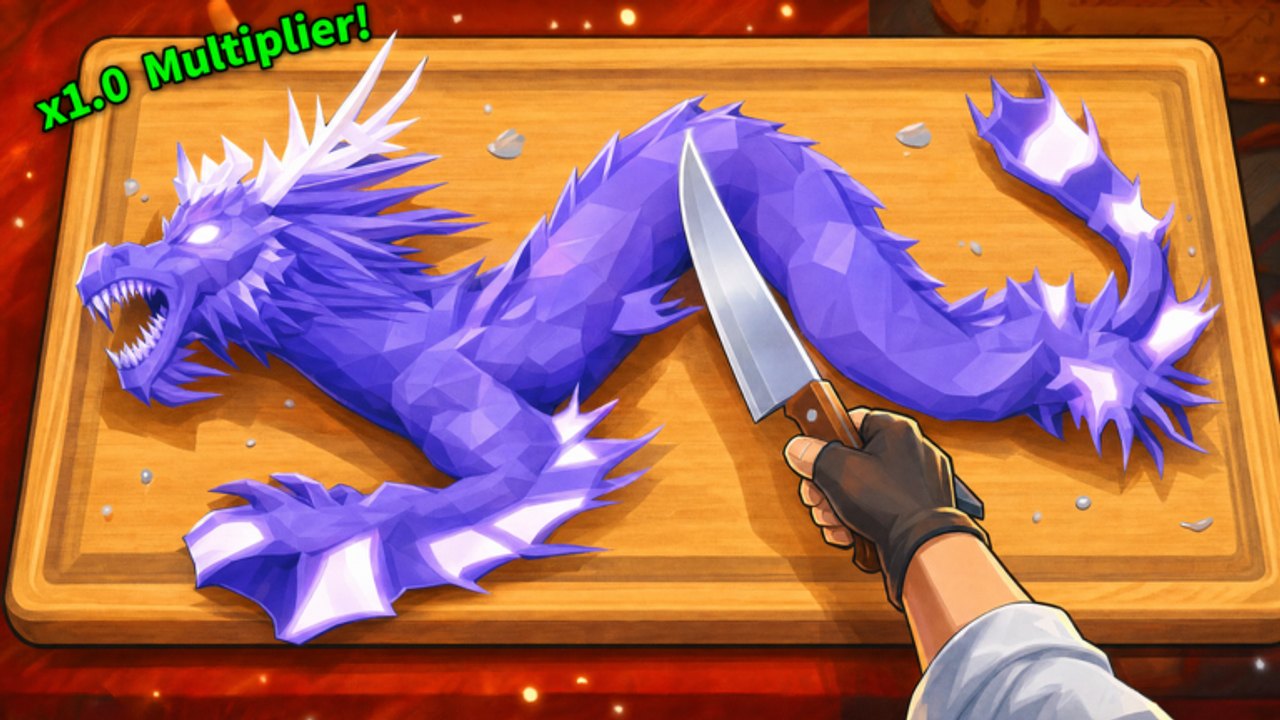
Most players waste days buying every shop rod in order. The fast path in Giant Fish Chef is the opposite: redeem codes, unlock a boat, clear Bamboo Island, buy the right permanent bait, finish the Shark Hunter and Sakura quests, then bank Cash from favorited legendaries until Atlas’ Hand at 4 million. Quest rods leapfrog several shop tiers for free (or for fish), which is why this route beats “upgrade the dock rod forever.”
Use this page as the spine of your mid-game. New players should finish the getting started checklist first; rod power comparisons live on best rods and the tier list hub.
Priority order at a glance
- Redeem every active code on /codes/ (Cash + Luck potions).
- Own Carbon (or a bridge Gold rod) and the cheapest boat.
- Sail to Bamboo Island, clear both NPC missions, claim Bamboo Rod.
- Buy permanent maggot bait for Razor Reef.
- Complete the Shark Hunter Rod quest (two legendary Great White Sharks + shark nigiri).
- Buy rice ball bait, sail to Koi Pond, finish the Sakura quest line.
- Favorite legendaries, cook/serve at the Night Market, save to 4M Cash.
- Buy Atlas’ Hand, then work the endgame Leviathan Spine NPC when ready.
Skipping bait steps is the most common reason this route “does not work.” Maggot and rice ball are not flavor text — they are luck tools for the biomes where the quest fish live. Zone details are on biomes and locations.
Step 1 — Codes before grinding
Join a fresh session, open Shop → Redeeming Codes, and claim everything listed on the codes hub. Follow how to redeem if the UI is unfamiliar. Luck potions and server Luck timers are progression items: save them for Great White and Dragon Koi sessions, not for dock commons. Cash codes simply shorten the Carbon and boat purchase.
If a limited blade or cleaver code is live, redeem it immediately — those often cap at the first hundreds or thousands of claims.
Step 2 — Boat, then Bamboo, not every shop rod
Buy mobility. The cheapest ship that reaches Bamboo Island is enough. On Bamboo Island, talk to both NPCs and finish their fish lists. The Bamboo Rod is your first major quest spike; it is intentionally easier than Shark Hunter so the game teaches the “islands give rods” pattern.
While you are there, push the local fish index. Index completion helps you notice when a required quest species is missing versus when you are simply unlucky. If Bamboo fish refuse to appear, check bait stock and weather rather than sailing away mid-quest.
Step 3 — Maggot bait and Razor Reef
Visit the bait shop and purchase maggot (permanent). Equip it before you commit a long Razor Reef session. Maggot raises your odds in that biome’s pool, which matters because Shark Hunter demands legendary Great White Sharks — not commons with a similar silhouette.
Sail to Razor Reef, find the quest NPC (often described near the tower base), and accept the mission. Full turn-in rules, cooking notes, and failure cases are documented on the Shark Hunter Rod guide. Headline requirements:
- Catch two legendary Great White Sharks in the Razor Reef waters.
- Return to your restaurant and cook shark nigiri (not sushi, not sashimi).
- Turn the sharks and nigiri in to the NPC; the Shark Hunter rod drops into inventory.
Shark Hunter sits in the strong mid-game band (high Luck and weight for its unlock cost). It is still below Sakura on raw stats, which is why the route continues instead of stalling at Reef forever.
Step 4 — Rice ball bait and Sakura at Koi Pond
Buy rice ball bait before the Koi Pond push. Rice ball is the luck tool for that water; skipping it turns the Dragon Koi hunt into a needless RNG sink. Travel to the Koi Pond, speak to the wealthy quest NPC, and clear the lead-in mission before the final mythical catch.
The Sakura reward asks for a Dragon Koi (mythical rarity). Stack Luck potions, keep rice ball equipped, and be ready for a longer farm than Bamboo or even Shark Hunter. When the Dragon Koi lands, Sakura Rod is granted — a clear upgrade over Shark Hunter and a comfortable rod while you bank Cash for Atlas.
Step 5 — Favorite legendaries and the 4M Atlas grind
After Sakura, stop impulse-buying mid shop rods unless a temporary gap blocks a biome. Your Cash target is Atlas’ Hand at 4,000,000. The efficient way to fund it is Night Market value, not raw vendor spam:
- Favorite legendary and mutation catches so they cannot be sold by mistake.
- Cook high-tier fish into the best dish your restaurant level allows.
- Serve quickly; upgrade kitchen throughput before cosmetic furniture.
- Use the fish tank for offline Cash between sessions.
Restaurant timing, dish families, and sell-versus-cook rules are expanded in restaurant cooking. Weather and mutations multiply payouts — burn Luck potions when a strong weather window lines up with a legendary biome.
When you hit 4M, buy Atlas’ Hand. It is the flagship shop rod (very high Luck, Speed, and weight) and the practical “I am pro” purchase before true endgame quests.
Step 6 — Leviathan Spine and leftover goals
With Atlas equipped, talk to the late-game NPC that starts the Leviathan Spine quest line when you are ready. That rod sits at the top of free/quest power alongside other endgame sticks such as Moontuna on some patches. Treat Leviathan as a planned project, not a detour during the 4M save.
Also keep an eye on updates after major patches — new islands, furniture, or dragon-branded UPD drops can add codes and shift bait shops. Official and community links sit on /wiki/; player-facing NPC and character notes are under /players/.
What not to do on this route
- Do not buy every shop rod between Carbon and Atlas “for completion.” Quest rods replace that spend.
- Do not sell Great Whites or Dragon Koi before turn-in.
- Do not cook shark sushi for the Shark Hunter NPC — the quest wants nigiri.
- Do not dump Luck potions on the starter dock after you already own Bamboo.
- Do not ignore Scripts Hub policy on your account — this wiki’s progress advice assumes legitimate play.
Session template (60–90 minutes)
- Redeem new codes; activate one Luck potion only if you are hunting a quest legendary.
- Equip the highest quest rod you own + correct bait for today’s biome.
- Fish until inventory has cookable rares; favorite keepers.
- Night Market: cook, serve, upgrade restaurant only if Cash is above your Atlas savings plan.
- If a quest is active, end the session on that biome so progress feels continuous tomorrow.
Follow the ladder in order and you will feel each rod spike instead of plateauing on the coast. When a step stalls, open the matching deep guide — Shark Hunter, restaurant, or biomes — rather than randomly buying the next shop stick.
Frequently Asked Questions
Quick answers for Giant Fish Chef players.
What is the fastest progression order?
Codes → boat → Bamboo Rod → maggot bait → Shark Hunter → rice ball bait → Sakura → save 4M for Atlas' Hand → Leviathan Spine when ready.
Should I buy shop rods before Atlas' Hand?
Only bridge rods (Carbon/Gold) if a quest is blocked. Quest rods from Bamboo, Razor Reef, and Koi Pond replace most mid-shop purchases.
Why is maggot bait important?
Permanent maggot bait improves Razor Reef odds, which you need for legendary Great White Sharks on the Shark Hunter quest.
When do I buy Atlas' Hand?
After Sakura, favorite legendaries and cook them at the Night Market until you bank 4 million Cash, then purchase Atlas' Hand from the shop.
Where is Leviathan Spine?
It is an endgame NPC quest rod. Unlock it after you are comfortable with Atlas-level fishing; do not divert your 4M savings into unfinished mid-game islands.