Giant Fish Chef Night Market Restaurant & Cooking
Turn daytime catches into Cash — dish types, timing, customers, and offline fish-tank income.
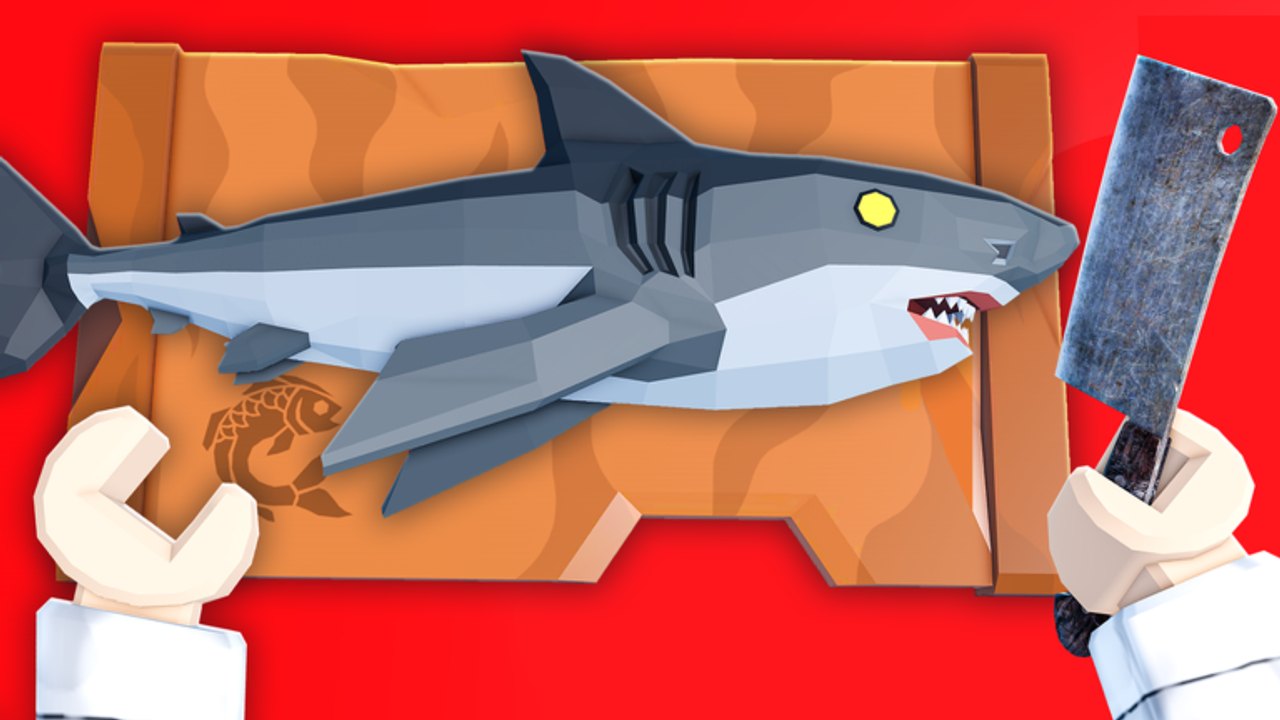
Fishing is only half of Giant Fish Chef. When night falls over Mura, your Night Market restaurant becomes the real Cash engine: you cut fish, cook nigiri, sashimi, or sushi, serve customers quickly, and invest profits into rods, boats, bait, and kitchen upgrades. Players who only raw-sell forever plateau; players who learn when to cook pull ahead on the road to Atlas’ Hand.
This guide covers restaurant levels, dish families, cooking timing, customer service, the offline fish tank, and the sell-versus-cook decision tree. Pair it with getting started for your first night and fast progress for how restaurant Cash funds the 4M Atlas purchase.
How the day / night loop pays you
By day you explore biomes — coast, Open Ocean, Bamboo Island, Razor Reef, Koi Pond, ice, jungle — and fill inventory with ingredients. By night you open the restaurant UI, prepare dishes, and serve the crowd that visits the Night Market. Better ingredients (rares, legendaries, mutations) produce better margins. Kitchen upgrades raise throughput so you can process more fish per night instead of staring at a backlog.
Mutations and weather from the fishing half of the game matter here too: a mutated legendary cooked during a strong service streak outperforms ten commons. Save Luck potions from /codes/ for the fishing session that feeds tonight’s menu, not for random dock spam.
Restaurant levels and unlocked dishes
Level 1 unlocks the core cut-and-cook loop with sashimi and nigiri. These two dishes cover early profits and several quest turn-ins — most importantly, the Shark Hunter Rod quest demands shark nigiri, not another plate.
Level 2 unlocks sushi. Sushi is a premium option for high-value fish once your kitchen can handle it, but it is the wrong choice whenever a quest text specifies nigiri. Always read the quest dish name before you commit a legendary ingredient.
Further restaurant levels expand capacity, furniture slots, and service quality. Spend on functional upgrades (prep speed, customer flow, storage) before cosmetic signs and décor. A prettier stall that cannot clear the queue loses Cash every night.
Cooking timing and knife skill
Cooking is a timing minigame: cut cleanly, then hit the cook window. Centered timings raise dish quality and customer payouts. Missed timings still produce food in many cases, but the Night Market rewards precision — especially when you are converting scarce legendaries.
Practical habits:
- Clear a short practice batch of commons when you unlock a new dish type.
- Never learn a new recipe on your only Great White or Dragon Koi.
- If a Fast Cooking boost or code reward is active, use it on nights when your inventory is full of high-tier fish.
- Keep quest dishes in a separate mental slot: cook them first, then process profit fish.
Knives and cleavers from codes or shops are often cosmetic flair for the cut animation; they do not replace restaurant level or ingredient rarity. Redeem limited knife codes quickly via how to redeem, then return focus to throughput upgrades.
Customer service basics
Customers arrive while the Night Market is open. Speed and dish quality drive payment. A clogged kitchen with great fish still underperforms a tidy kitchen that serves average fish instantly. Queue management matters more than one perfect plate.
Tips that scale:
- Prepare a small buffer of cooked dishes before the rush if the UI allows staging.
- Prioritize serving over rearranging furniture mid-night.
- Rename and theme the restaurant when you like — it is fun — but not before level-appropriate kitchen upgrades.
- Watch for VIP or event customer modifiers after updates; patch notes sometimes tweak payouts.
Multiplayer servers (up to six players) mean you may share vibes with other chefs, but your restaurant progress remains your own grind. Character and NPC notes for Mura live under /players/.
Fish tank offline Cash
The fish tank is the quiet hero of progression. Stock it so the restaurant keeps generating Cash while you are logged off. That passive trickle funds bait, boat repairs, and incremental kitchen upgrades between active sessions.
Treat the tank like a second wallet:
- Prefer stable, mid-high value fish for tank display when you are done cooking for the night.
- Do not lock your only quest turn-in fish in the tank.
- Check tank Cash when you log in before you decide whether tonight is a grind night or a quest night.
Offline income will not replace a focused legendary cook session, but it stops the “I only make Cash when I click” feeling that burns players out before Atlas.
When to sell versus when to cook
Use this decision tree:
Sell raw when the fish is a common dock species, you need immediate Cash for a boat/bait breakpoint, or the kitchen is already full and customers are gone.
Cook when the fish is uncommon or better, mutated, tied to a menu premium, or required as a specific dish for a quest. Cooking multiplies value; raw selling legendaries is how people stay broke at 200K Cash forever.
Favorite every legendary and quest fish the moment it drops. Favorites protect you from mis-sells while you teleport home. This habit is mandatory for Shark Hunter and Sakura routes on fast progress.
Hold situationally when you are one kitchen upgrade away from unlocking sushi and the fish is a perfect sushi candidate — but never hold so long that you miss a quest deadline or fill every slot with dead weight.
Feeding the mid-game Cash goal
The featured economy goal after Sakura is 4,000,000 Cash for Atlas’ Hand. Restaurant cooking is how you get there without buying Robux shortcuts. Loop:
- Fish a high-value biome with correct bait (see biomes).
- Favorite keepers; dump true trash.
- Night Market: cook best available dishes; serve the full queue.
- Deposit tank fish; collect offline Cash next login.
- Upgrade kitchen when it measurably raises dishes-per-night.
- Park remaining Cash toward Atlas; compare rods on best rods.
Avoid the trap of buying every mid shop rod “while saving.” Quest rods already cover that band — restaurant Cash should leap to Atlas, then endgame quests like Leviathan Spine.
Quest cooking callouts
- Shark Hunter: shark nigiri only. Details on /guides/shark-hunter-rod/.
- Sakura / Koi Pond: focus on catching the mythical Dragon Koi first; cooking is secondary until the rod is claimed.
- General NPC hand-ins: if dialogue names a dish, craft that dish before inventing a “better” plate.
Wrong-dish turn-ins waste both the ingredient and the voyage. When unsure, cook a cheap test fish of the same species family if the game allows practice recipes.
Quality-of-life and account safety
Auto Fish helps stock ingredients, but cooking still wants attention for timing. Fast Cooking gamepasses or timed code buffs are legitimate QoL — use them when inventory is premium. Third-party automation that injects scripts can risk your account; if you research tools, stay inside what /scripts/ documents and Roblox rules allow.
After major UPD drops (dragon branding, new furniture, new islands), re-check dish unlocks and codes on /updates/ and /codes/. Kitchen metas shift when new fish enter the index.
Master the Night Market and fishing stops feeling like a slot machine — it becomes a supply chain you control. Serve well, tank wisely, and let cooked legendaries bankroll the rest of the wiki’s progression path.
Frequently Asked Questions
Quick answers for Giant Fish Chef players.
What dishes does the Night Market unlock?
Restaurant level 1 unlocks sashimi and nigiri. Level 2 unlocks sushi. Higher levels add capacity and service upgrades.
Should I sell fish or cook them?
Sell commons for quick Cash. Cook uncommon and better fish, especially mutations and legendaries. Always cook specific dishes when a quest names them.
What is the fish tank for?
The fish tank generates offline Cash while you are away. Stock it after service, but never store your only quest turn-in fish there.
Why did my Shark Hunter turn-in fail after cooking?
The quest needs shark nigiri. Sushi or sashimi will not count even if the ingredient was a Great White.
How does cooking help me buy Atlas' Hand?
Favorited legendaries cooked and served at the Night Market produce the Cash stack toward the 4M Atlas' Hand shop price faster than raw selling.